
Our Blogs
Our Blogs
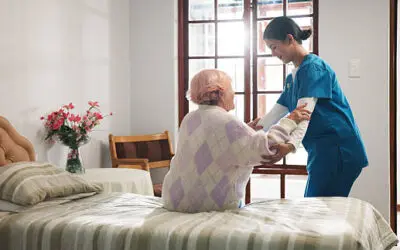
Understanding the Emotional Journey of Moving to Assisted Living: Insights from Maple Ridge
Senior living transitions can look different from one person to another. Some older adults are preparing for more assistance with daily life, while others are looking for a different living environment before significant support is needed. Whatever the circumstances, changing where someone lives can still bring strong emotions.

Understanding the Emotional Journey of Moving to Assisted Living: Insights from Maple Ridge
Moving to assisted living is often discussed in terms of safety, care, and daily support, but the emotional adjustment can be just as important. For many older adults, the move represents a major shift in independence, routine, and identity. Families should expect a range of feelings during this time.

Understanding the Emotional Journey of Moving to Assisted Living: Insights from Maple Ridge
A move to assisted living often marks the beginning of a new chapter, but it can also bring a variety of emotions for seniors and their families. While practical considerations such as safety and support are important, the emotional impact of the transition should not be overlooked. Understanding these feelings can help make the move smoother and less stressful for everyone involved.
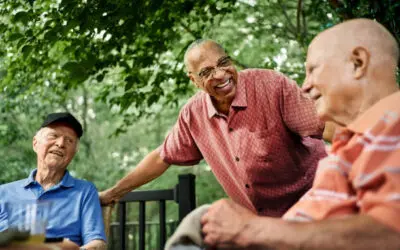
The Benefits of Social Connection in Assisted Living at Maple Ridge
A strong sense of community is one of the defining features of a supportive assisted living environment. Social interaction provides more than companionship—it contributes to emotional stability, cognitive function, and a renewed sense of purpose for residents.

How to Pay for Assisted Living at Maple Ridge
When families begin planning for assisted living, one of the most common questions they ask is how to cover the cost of care. While assisted living provides valuable support and services, understanding the available financial options can help families make confident decisions about the future. At Maple Ridge, residents and their families often use several strategies to manage the cost of assisted living.

Why Cold Temperatures Increase Joint Discomfort in Older Adults
As temperatures drop, many older adults notice a familiar and unwelcome change: joints feel stiffer, movements become less fluid, and existing aches intensify. This pattern is not simply anecdotal. Seasonal shifts, particularly exposure to cold environments, can meaningfully influence how joints feel and function. Understanding the physiological reasons behind this discomfort is essential for managing symptoms and maintaining mobility during colder months.

Financial Planning Tips for Aging Adults and Their Families
As people grow older, financial planning becomes less about growth and more about stability, protection, and clarity. For aging adults and their families, thoughtful financial planning is essential to ensure independence, cover healthcare needs, and reduce stress during life transitions. Planning early and communicating openly can help families navigate aging with confidence rather than uncertainty.

DIY Projects That Stimulate the Mind and Bring Joy
Engaging in do-it-yourself projects is more than a way to pass the time. For many people, DIY activities provide mental stimulation, emotional satisfaction, and a renewed sense of purpose. Whether someone is working with their hands, solving small design challenges, or learning a new skill, the process itself supports cognitive health and personal well-being. Across age groups, thoughtfully chosen DIY projects can encourage creativity, problem-solving, and a sense of accomplishment that extends well beyond the finished result.
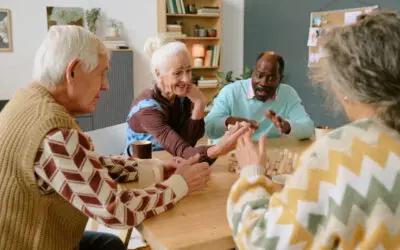
How Social Activities Improve Mental Health in Seniors
As people age, they often face challenges that can impact their mental well-being, retirement, loss of loved ones, declining health, or increased isolation. These changes can sometimes lead to loneliness, depression, or anxiety. However, there’s one powerful antidote that often goes underappreciated: staying socially active. Social engagement isn’t just a pleasant pastime; it plays a critical role in preserving and improving the mental health of older adults.